

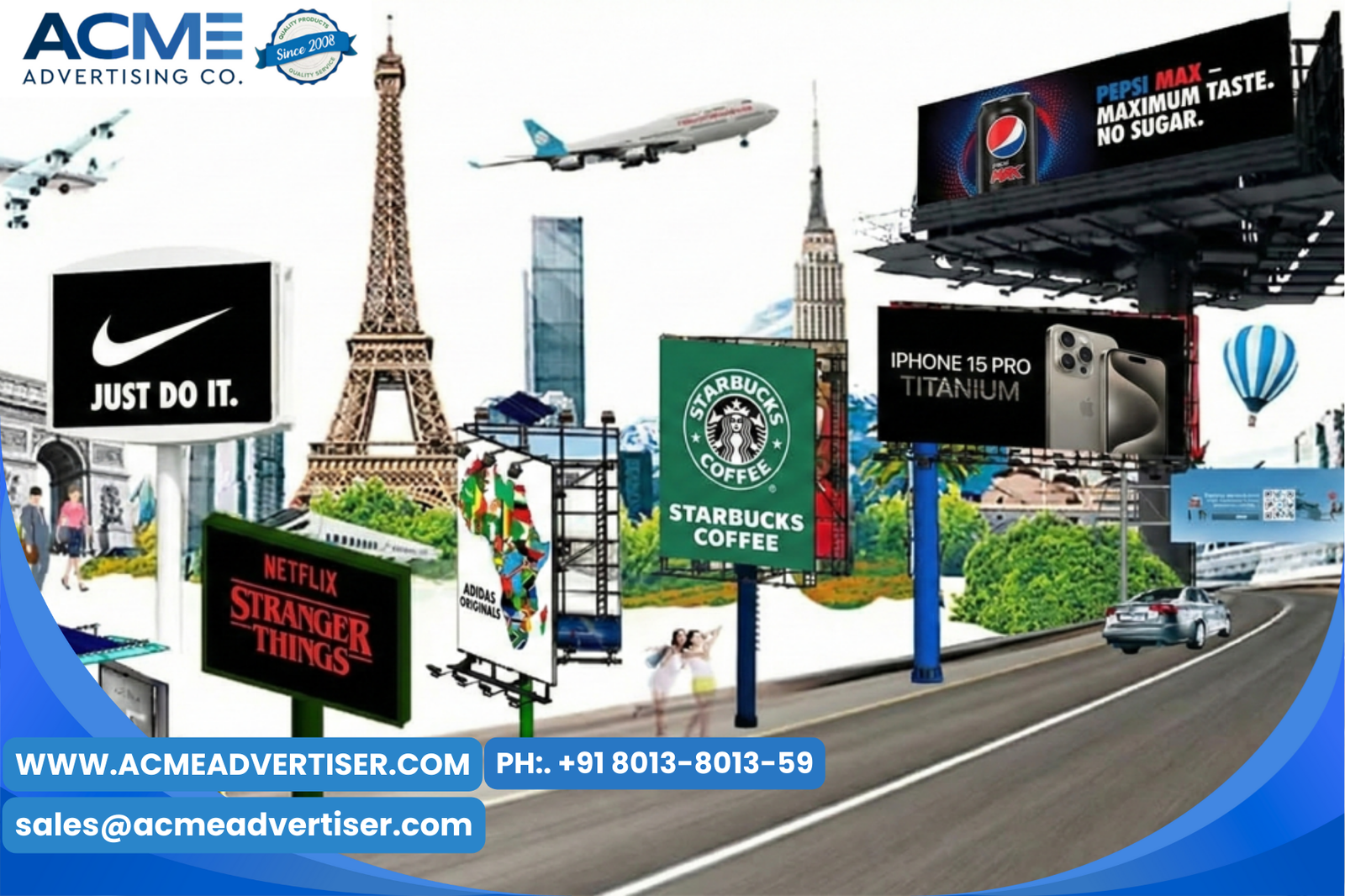
Modern brands operate in a highly competitive advertising environment where getting attention is becoming more challenging every day. Consumers move between digital platforms, physical stores, workplaces, entertainment venues, and public spaces, creating multiple opportunities for brands to communicate with them.
Among these channels, US outdoor media advertising continues to provide brands with a highly visible way to connect with audiences in the real world. Billboards, digital displays, transit advertising, street furniture, airport media, and other out-of-home formats can place a brand directly into the daily environment of consumers.
For modern businesses, outdoor media is no longer limited to a traditional static billboard. It has developed into a flexible advertising ecosystem that can combine large-scale visibility, creative storytelling, location targeting, and digital technology.
Why US Outdoor Media Advertising Gets Attention

One of the biggest strengths of outdoor advertising is that it does not require consumers to actively search for the advertisement.
A billboard on a busy highway, a digital display in a commercial district, or branded transit media can reach people as they travel through their everyday routines.
This creates an opportunity for brands to build visibility even when audiences are not actively browsing websites or social media.
Outdoor advertising can also provide repeated exposure. A commuter travelling through the same route every day may encounter the same campaign multiple times, helping reinforce brand recognition over the campaign period.
From Traditional Billboards to Digital Experiences
The outdoor advertising landscape has evolved significantly.
Traditional billboards remain an important format, but brands can now choose from digital billboards, spectacular displays, transit media, airport advertising, street-level formats, place-based advertising, and other innovative options.
Digital outdoor screens allow advertisers to change messages, update campaigns, display multiple creatives, and coordinate advertising with specific moments or events.
This flexibility gives marketers more opportunities to create campaigns that feel timely and relevant.
High-Visibility Locations Create Strong Brand Presence
Location is central to outdoor media advertising.
Brands can select locations based on traffic patterns, audience characteristics, commercial activity, proximity to destinations, and campaign objectives.
Major roads can provide roadside exposure, while commercial districts can place brands in front of shoppers and professionals. Transit environments can connect advertisers with commuters, while airports can provide visibility among travellers and business audiences.
The right location is not simply the busiest available site. It should be relevant to the audience a brand wants to reach.
Outdoor Media Turns Public Spaces Into Brand Platforms
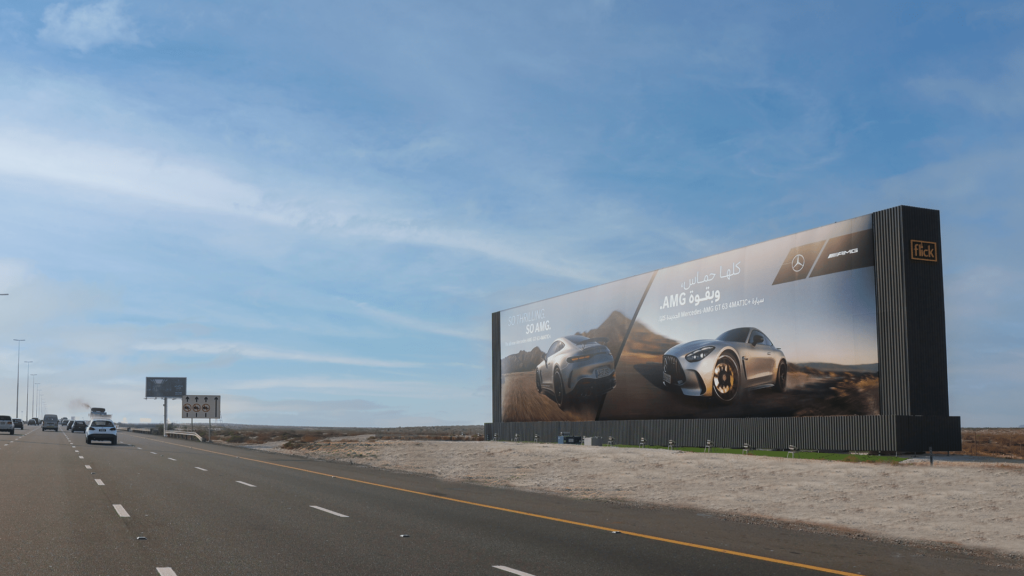
One reason outdoor advertising is often described as a high-impact medium is its physical scale.
A large billboard can dominate a roadside environment. A digital spectacular can transform a building facade into a branded communication space. Transit advertising can turn buses, trains, stations, and shelters into moving or stationary brand platforms.
This gives creative teams opportunities that are difficult to replicate through smaller advertising formats.
Instead of appearing inside a private screen, the brand becomes part of the physical environment.
Creative Ideas Can Make Campaigns Memorable

Outdoor advertising rewards creativity.
A simple message can become more powerful when it is combined with a strong visual concept, unusual placement, clever copy, interactive technology, or a location-specific idea.
Brands can develop campaigns that respond to their surroundings or use the physical characteristics of a location as part of the creative.
Digital outdoor media can further expand these possibilities by supporting animation, changing messages, countdowns, real-time content, and other dynamic executions.
The most effective creative approach depends on the audience, location, format, and campaign objective.
Reaching Audiences During Everyday Journeys
Consumers spend a significant part of their day moving through public spaces.
They travel to work, visit stores, attend events, go to restaurants, use public transportation, and travel between different destinations.
Outdoor media allows brands to reach audiences during these everyday movements.
For businesses with physical locations, this can be especially useful. Outdoor advertising can help increase awareness of a nearby store, restaurant, dealership, property, event, or service.
Outdoor Advertising Supports Different Marketing Objectives

Outdoor media is not limited to awareness campaigns.
Brands can use it for product launches, seasonal promotions, retail campaigns, event promotion, new-store openings, corporate branding, public announcements, and broader brand-building activities.
A product launch may use large digital displays to create excitement. A retailer may use outdoor advertising to communicate a promotional offer. A real estate brand may focus on locations close to a property development.
The format and location can be selected according to the campaign objective.
Connecting Outdoor Advertising With Digital Marketing
Outdoor advertising and digital marketing can work together.
A campaign can use outdoor media to create initial awareness and digital channels to provide additional information.
For example, a billboard may feature a short URL, QR code, social media handle, or campaign hashtag. A consumer who notices the outdoor advertisement can then continue the interaction through their smartphone.
This creates a connection between physical advertising and online engagement.
Brands can also maintain consistent creative across outdoor, social media, search, video, and other marketing channels to create a more connected campaign experience.
Data Helps Improve Outdoor Media Planning
Modern outdoor advertising is increasingly supported by data.
Advertisers can consider audience profiles, traffic patterns, location characteristics, estimated impressions, movement patterns, and campaign timing when planning media.
This helps brands move beyond simply selecting a billboard because it is large or located on a busy road.
Data-driven planning can help advertisers compare locations and select media that aligns more closely with the intended audience.
Businesses should still evaluate the quality and methodology of any audience or traffic data provided before using it as the basis for major media decisions.
Why Brands Use Multiple Outdoor Formats
A single outdoor advertising format may not always provide enough coverage for a large campaign.
Brands can combine different formats to create multiple audience touchpoints.
For example, a campaign may use roadside billboards for broad visibility, transit advertising for commuter exposure, digital screens for dynamic messaging, and street-level media for closer interaction.
This approach can help create a consistent campaign presence across different stages of the audience’s journey.
Outdoor Media Can Strengthen Brand Recall

Repeated exposure is one of the important characteristics of outdoor advertising.
When audiences encounter a consistent campaign multiple times, the brand message has more opportunities to become familiar.
This makes creative consistency particularly important. The brand name, visual identity, campaign message, and central idea should remain recognizable across different outdoor placements.
At the same time, businesses should avoid assuming that exposure automatically results in sales. Campaign performance depends on many factors, including product relevance, creative quality, audience targeting, market conditions, and the effectiveness of other marketing channels.
Choosing the Right Outdoor Media Partner
A successful campaign requires more than purchasing advertising space.
Brands may need support with media planning, location selection, creative specifications, production, installation, scheduling, monitoring, and reporting.
An experienced outdoor media partner can help businesses understand the differences between available formats and locations.
Before selecting a partner, businesses should review their media network, location options, campaign management capabilities, production standards, reporting process, and experience with similar campaigns.
Clear communication about campaign objectives and audience requirements can make the planning process more effective.
The Future of US Outdoor Media Advertising

Outdoor advertising continues to evolve as technology, consumer behaviour, and creative possibilities change.
Digital displays, data-led planning, dynamic content, interactive experiences, and integration with mobile technology are expanding the possibilities of outdoor media.
At the same time, the basic strength of the medium remains its physical presence.
People continue to travel through roads, cities, transit systems, shopping areas, airports, entertainment districts, and other public environments. Brands can use these spaces to create visibility and communicate with audiences at scale.
Turn Public Spaces Into Opportunities for Brand Growth
US outdoor media advertising provides modern brands with a combination of scale, visibility, location relevance, creative freedom, and repeated exposure.
From traditional billboards to high-tech digital displays, the medium gives businesses numerous ways to communicate with consumers outside their homes and personal screens.
The strongest campaigns are not built simply by choosing the biggest advertising space. They are built by combining the right audience, location, format, message, timing, and creative execution.
For brands seeking to strengthen awareness and establish a memorable physical presence, outdoor media can provide a powerful platform for reaching audiences in the real world.
How Does US Outdoor Media Advertising Help Modern Brands?
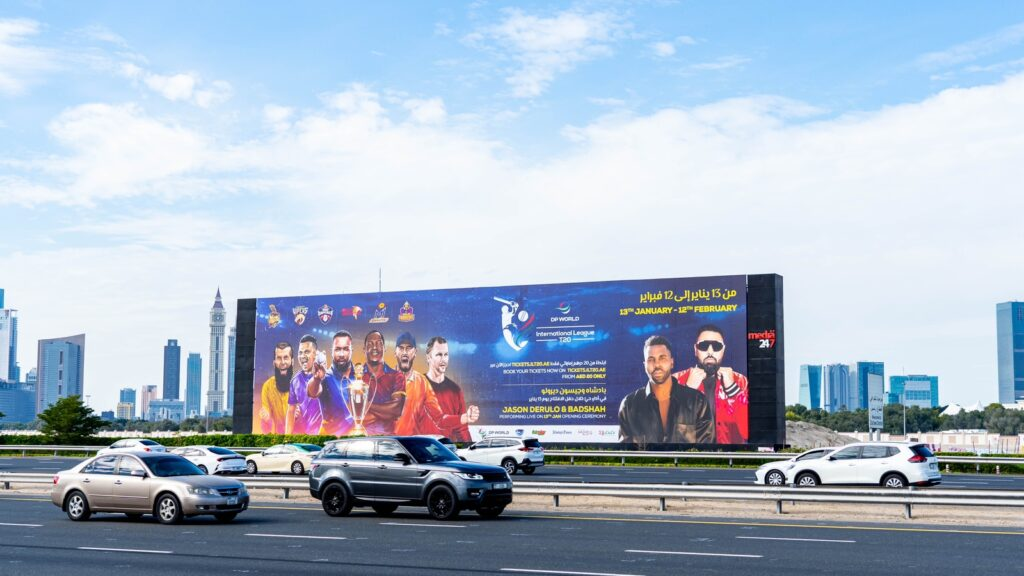
US outdoor media advertising helps brands reach consumers in real-world environments through billboards, transit displays, street furniture, digital screens, place-based media, and other OOH formats. It gives brands an opportunity to remain visible while people are commuting, shopping, travelling, and spending time in public spaces.
For businesses, OOH can support different commercial objectives, including brand awareness, product launches, retail promotions, event promotion, local customer acquisition, and broader market expansion. OAAA reported that U.S. OOH revenue reached $3.16 billion in Q2 2026, with revenue increasing 10.7% year over year.
Modern campaigns can also connect outdoor advertising with digital marketing, social media, mobile campaigns, and other channels. This allows brands to use physical visibility as part of a broader customer journey rather than treating outdoor media as a standalone campaign.
Why Are Billboards Still Important in US Outdoor Advertising?
Billboards remain an important part of the U.S. outdoor advertising market because they provide large-format visibility across highways, urban roads, commercial districts, and other high-movement environments. They can help brands communicate a simple message repeatedly to audiences travelling through specific markets.
Businesses can use traditional static billboards as well as digital billboards depending on their creative requirements and campaign plans. Digital OOH accounted for 38.4% of U.S. OOH revenue in Q2 2026 and grew 18.5% year over year, showing the increasing role of digital formats within the medium.
For advertisers, the choice between static and digital formats can depend on campaign duration, creative frequency, location, budget, and the type of message being promoted. A professional OOH media plan can combine different formats to create consistent visibility across important audience touchpoints.
How Can US Outdoor Media Advertising Support Customer Acquisition?
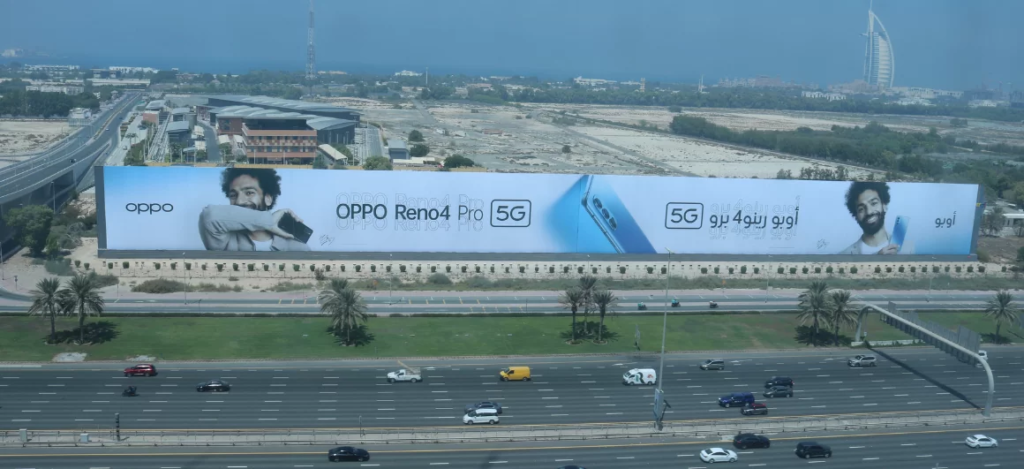
Outdoor advertising can support customer acquisition when the campaign is placed close to relevant consumer environments and includes a clear action for the audience. Brands can use phone numbers, websites, QR codes, promotional offers, store directions, or campaign-specific landing pages to encourage measurable responses.
Recent OAAA and Harris Poll research found that 86% of surveyed U.S. adults would take some action after seeing a retail OOH advertisement that interests them. The study covered 2,015 U.S. adults, with analysis focused on 1,474 adults ages 18–64, so these figures should be understood within that specific survey population.
Businesses can also measure campaigns through website activity, app downloads, store visits, enquiries, QR scans, promotional-code usage, and other conversion actions. OAAA and Kochava research in 2026 examined hundreds of campaigns across seven verticals and reported measurable in-person and digital outcomes from OOH.
Which US Outdoor Advertising Formats Can Brands Use?
Brands can choose from billboards, digital billboards, transit advertising, street furniture, place-based displays, airport media, cinema advertising, and experiential OOH formats. Each format offers different opportunities depending on where the target audience spends time and what the campaign needs to communicate.
Transit and place-based formats are also gaining attention in the U.S. market. In Q2 2026, transit revenue grew 23.9% year over year and place-based revenue grew 19.3%, according to OAAA.
For a commercial campaign, brands can combine several formats instead of relying on a single placement. A media agency or OOH advertising partner can develop a location-based plan around audience, campaign objective, budget, duration, creative requirements, and desired customer actions.
How Can Businesses Plan a High-Impact US Outdoor Media Campaign?

A successful outdoor campaign starts with a clearly defined target audience, business objective, geographic market, budget, and campaign duration. Brands should then evaluate locations based on audience movement, visibility, format, traffic patterns, surrounding environment, and the opportunity for repeated exposure.
Creative planning is equally important. Outdoor messages generally need to communicate quickly, so businesses should focus on recognizable branding, a strong central message, impactful visuals, and a simple call to action. Current OAAA guidance and industry activity also emphasize the importance of strategic placement, creative execution, and media planning in OOH campaigns.
Businesses can then connect the campaign with digital and physical measurement tools to understand customer response. With U.S. OOH revenue reaching a record $9.46 billion in 2025 and continuing to grow in 2026, outdoor media remains an active channel for brands looking to build visibility beyond screens and digital-only environments.
Frequently Asked Questions :
1. How can US outdoor media advertising help my brand reach more customers?
As a client, I can use billboards, transit advertising, street furniture, place-based media, and digital screens to put my brand in front of people during their daily routines. Selecting locations based on audience movement and campaign objectives can help me build broad and repeated visibility across a U.S. market.
2. Why should I include outdoor media in my US marketing strategy?
As a client, I can use outdoor media to complement my digital, social, television, and other advertising channels. OOH can reinforce my brand message in real-world environments while helping my campaign reach consumers beyond their personal screens.
3. Can US outdoor advertising help my business generate customer actions?
Yes. As a client, I can include QR codes, short URLs, promotional offers, app-download prompts, or location-based calls to action in my outdoor creative. These elements can encourage customers to visit my website, store, app, or physical location and give me measurable response signals. OAAA research also reports measurable digital and in-person outcomes from OOH campaigns.
4. How can digital outdoor media improve my US advertising campaign?
As a client, I can use DOOH to update creative, schedule messages by time or context, and run multiple advertisements on digital screens. This gives me greater flexibility than a single static creative and allows my campaign to respond to different audiences or situations. DOOH accounted for 38.4% of U.S. OOH revenue in Q2 2026 and grew 18.5% year over year.
5. Which US outdoor media formats can I use for a modern brand campaign?
As a client, I can choose from static and digital billboards, transit media, street furniture, place-based advertising, cinema, mobile formats, and experiential OOH. I can combine multiple formats when I need to reach customers across different stages of their daily journey.
6. How can outdoor media support my product launch or major brand campaign in the US?
As a client, I can use high-visibility outdoor placements to announce a new product, store opening, entertainment release, seasonal promotion, or major brand initiative. Large-scale OOH can create physical visibility around important markets and work alongside digital campaigns to extend the campaign experience.
7. How can I measure the business value of US outdoor advertising?
As a client, I can track website visits, QR scans, app downloads, calls, store visits, branded searches, promotional-code usage, and other campaign actions. OAAA and Kochava research has found measurable effects from OOH across outcomes including store visits, website visits, and app downloads.
8. Why are modern US brands continuing to invest in outdoor media advertising?
As a client, I can use OOH to combine large-scale physical visibility with increasingly digital and data-driven capabilities. U.S. OOH revenue reached $9.46 billion in 2025, and 73% of the top 100 OOH advertisers increased their spending year over year in Q2 2026, showing continued investment in the medium.
Website: www.acmeadvertiser.com
LinkedIn: Acme Advertising Co