

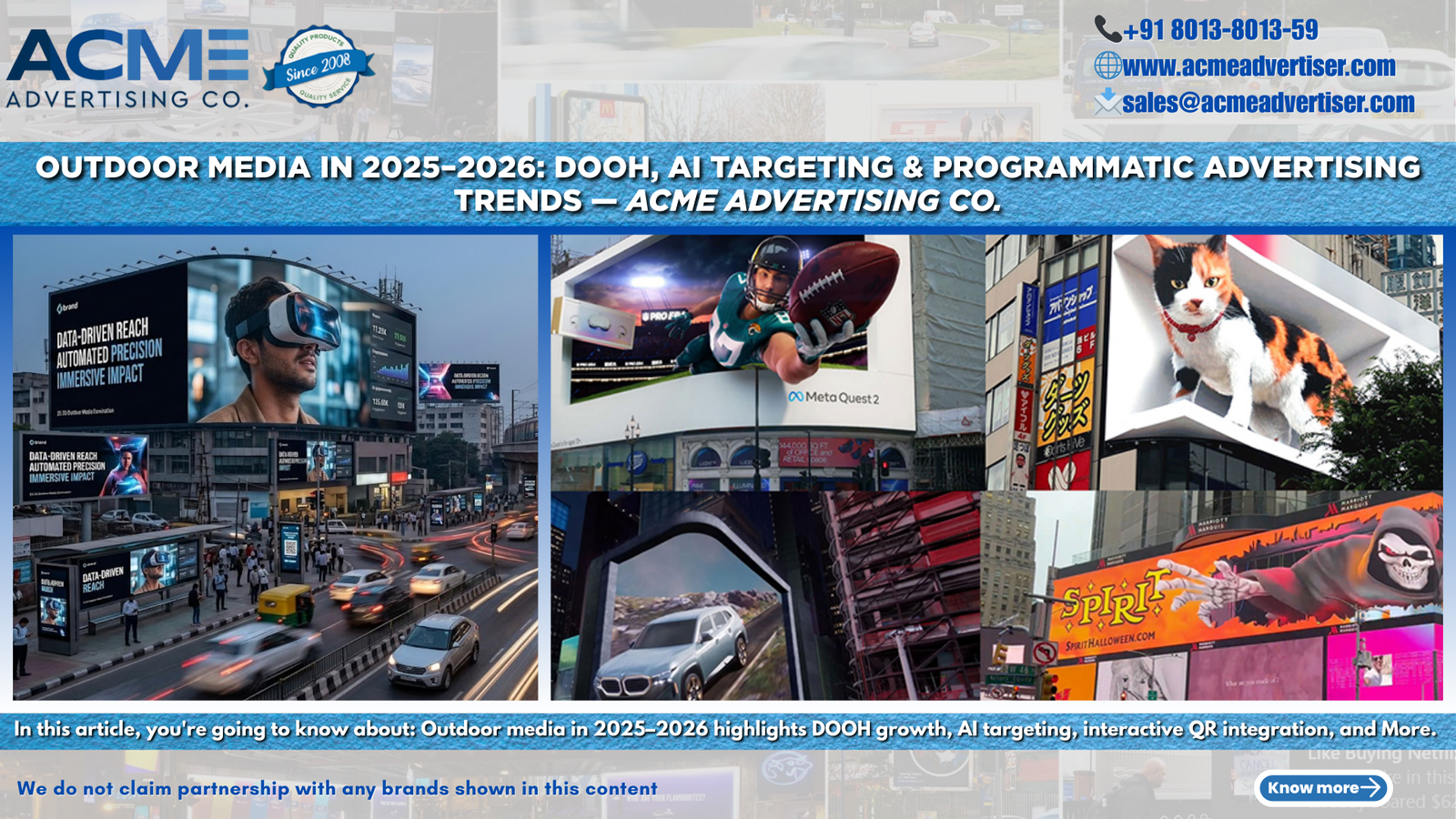
Outdoor Media in 2025-2026: Introduction
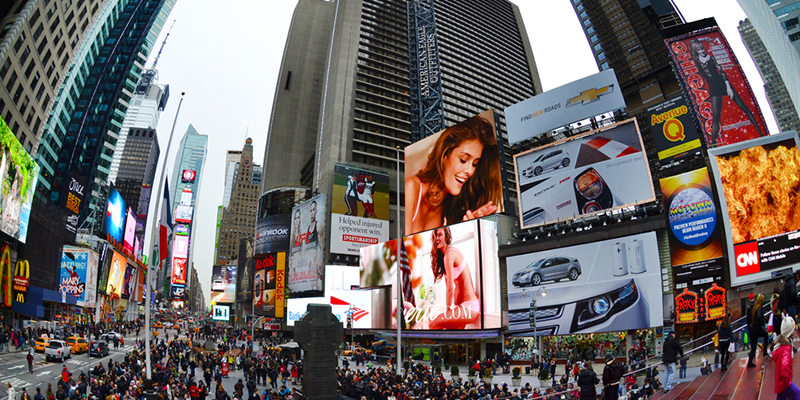
Outdoor advertising across the UAE has entered a measurable, technology-driven phase where data, automation, and immersive display formats redefine how brands dominate public spaces. Outdoor media in 2025–2026 is dominated by the explosion of Digital Out-of-Home (DOOH), reshaping commercial advertising across expressways, metro corridors, airports, shopping malls, tourism districts, and high-density commercial zones.
This transformation significantly amplifies Visibility, Brand Recall, Traffic, Awareness, and Reach by delivering dynamic creatives to real audiences in real environments. Strategic locations such as Sheikh Zayed Road, Downtown Dubai, Dubai Marina, and Abu Dhabi Corniche now operate with intelligent display networks capable of adapting messaging based on time, movement patterns, and environmental conditions.
Brands utilising these modern formats gain strong visual dominance across premium advertising corridors without relying solely on static hoardings. As accountability becomes essential in marketing investments, digital screens, immersive installations, AI-optimised placements, and mobile-linked activations ensure measurable exposure across the UAE’s rapidly evolving urban landscape.
Outdoor advertising today is no longer passive infrastructure; it is data-backed, responsive, and engineered for maximum public engagement.
Outdoor Media in 2025-2026: Digital Transformation in Public Advertising Spaces
The structural evolution of urban advertising infrastructure confirms that Outdoor media in 2025–2026 is dominated by the explosion of Digital Out-of-Home (DOOH). Traditional billboards are increasingly transitioning into high-definition LED facades, premium digital billboards, smart urban kiosks, and airport-grade display networks capable of real-time content updates.
This transformation enables instant creative updates, location-specific messaging, and synchronised screen networks across the UAE’s major metropolitan regions.
Major urban centres including Dubai, Abu Dhabi, and Sharjah now feature interconnected digital display networks managed through programmatic infrastructure.
Strategically placed digital structures across high-traffic locations such as Dubai Mall District, Business Bay, Dubai Marina, and Sheikh Zayed Road ensure extended exposure cycles for brands targeting both residents and international visitors.
Motion visuals, adaptive brightness, and immersive creative formats significantly enhance audience engagement compared to traditional static placements.
3D Anamorphic and Immersive Display Expansion
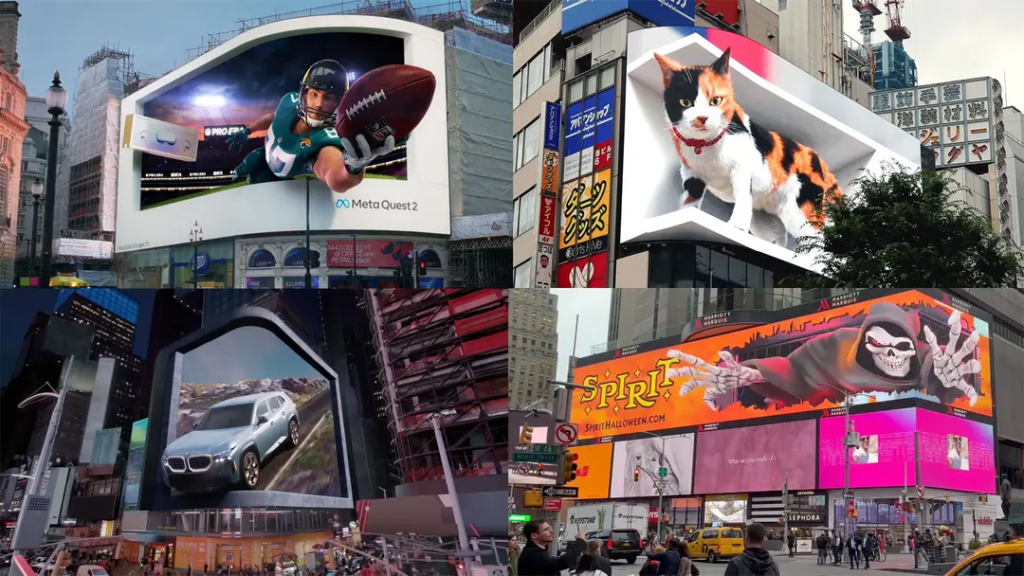
Outdoor media in 2025–-2026 is dominated by the explosion of Digital Out-of-Home (DOOH), and 3D anamorphic billboards represent the most visually commanding format within this ecosystem.
These installations create striking optical illusions that appear to extend beyond the screen boundaries, capturing public attention instantly in premium commercial zones.
Luxury districts such as Downtown Dubai, Dubai Marina Walk, and Abu Dhabi Yas Island benefit greatly from immersive LED curvature technology that enhances depth perception and visual impact.
Beyond 3D, emerging display technologies including holographic projections, multi-screen synchronised facades, and interactive digital architecture expand brand storytelling across skyscrapers, retail complexes, and transport infrastructure.
Such installations often generate substantial social media amplification due to their visually captivating and shareable nature.
Programmatic OOH and AI-Driven Optimisation
Outdoor Media in 2025-2026 is dominated by the explosion of Digital Out-of-Home (DOOH), powered by programmatic buying systems and AI-driven optimisation engines.
Advertising inventory across digital screens can now be transacted automatically through intelligent platforms that analyse audience density, peak traffic hours, and contextual triggers.
Artificial intelligence enables dynamic creative switching based on factors such as weather conditions, time of day, or live events.
For example, morning commuters travelling along Sheikh Zayed Road may receive different promotional messaging compared to evening traffic clusters heading toward Marina or JBR.
Programmatic infrastructure improves operational efficiency while ensuring advertising placements align with real audience behaviour rather than static schedules.
Sustainability and Eco-Optimised Infrastructure
Outdoor Media in 2025-2026 is dominated by the explosion of Digital Out-of-Home (DOOH), and sustainability has become an integral component of advertising infrastructure across the UAE.
Solar-assisted digital billboards, energy-efficient LED systems, and recyclable display materials are increasingly deployed across urban centres.
Municipal authorities across Dubai and Abu Dhabi promote environmentally responsible advertising structures that maintain high luminosity while minimising energy consumption.
Industrial zones including Dubai Industrial City, Jebel Ali Free Zone (JAFZA), and Abu Dhabi’s Khalifa Industrial Zone are gradually adopting green-certified digital assets that align corporate advertising with sustainability initiatives.
OOH and Mobile Integration
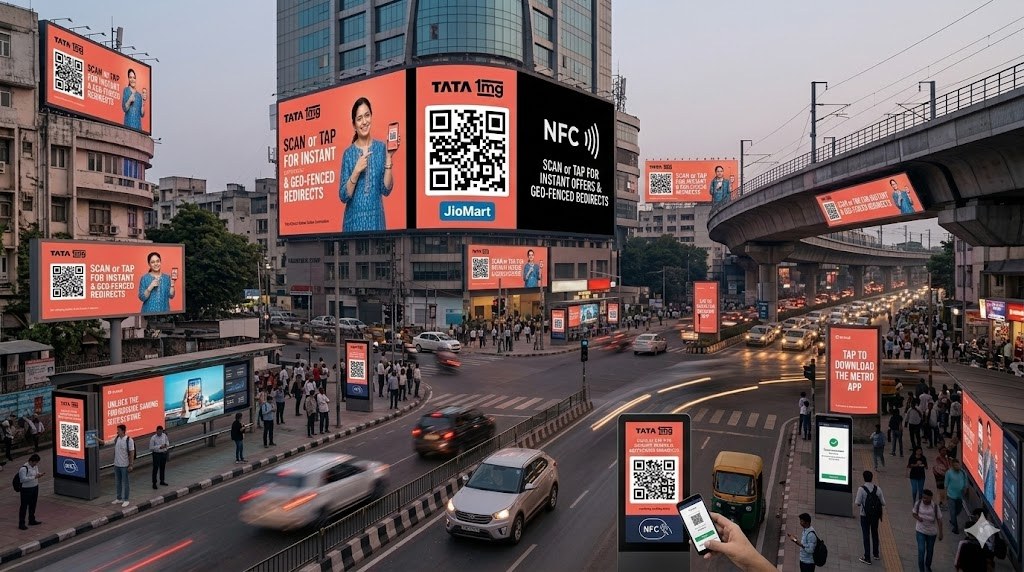
Outdoor media in 2025-2026 is dominated by the explosion of Digital Out-of-Home (DOOH), particularly through mobile-integrated engagement frameworks.
Technologies such as QR codes, NFC triggers, and geo-fenced mobile redirects allow physical advertising displays to connect instantly with digital platforms.
Visitors and residents in high-footfall areas such as Dubai Mall, Mall of the Emirates, and City Walk frequently interact with scan-enabled campaigns that lead directly to mobile landing pages, offers, or brand experiences.
This integration bridges physical exposure with measurable digital engagement, allowing brands to track campaign response metrics with greater accuracy.
Experiential and Interactive Installations
Outdoor media in 2025–2026 is dominated by the explosion of Digital Out-of-Home (DOOH), with interactive installations becoming increasingly common across premium public environments.
Advanced display networks now incorporate motion sensors, augmented overlays, and gesture-responsive interfaces that react to nearby pedestrians.
Interactive screens placed in tourism and retail districts such as Dubai Marina Promenade, Bluewaters Island, and Yas Mall enhance dwell time and audience participation.
These experiential formats encourage public interaction and significantly increase social media sharing, further expanding campaign reach beyond physical locations.
Humour and Emotional Memory Encoding
Outdoor media in 2025–2026 is dominated by the explosion of Digital Out-of-Home (DOOH), and creative strategies increasingly prioritise humour, storytelling, and emotional triggers.
Short visual narratives combined with dynamic screen transitions strengthen brand memorability among urban audiences exposed repeatedly during daily commuting patterns.
High-traffic corridors such as Sheikh Zayed Road and Al Khail Road benefit particularly from concise yet impactful messaging due to constant vehicular exposure.
Strategic repetition across digital screen clusters ensures long-term memory imprinting and sustained brand recall.
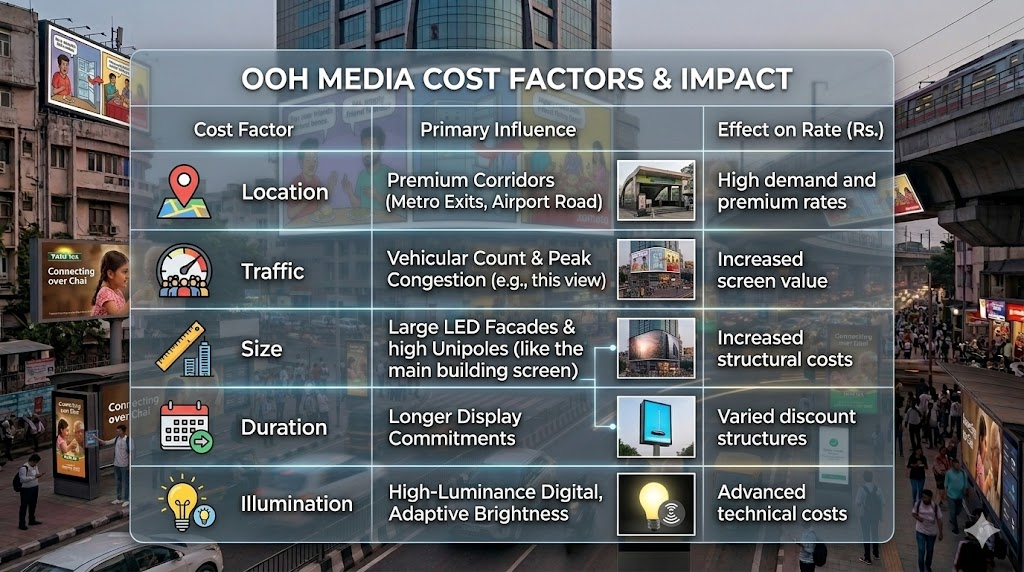
Cost Factors
Location: Premium corridors such as expressways, airport approach roads, luxury retail districts, and major junctions command higher demand due to concentrated audience exposure.
Traffic: Vehicular density, pedestrian footfall, tourism flow, and peak commuting hours significantly influence screen value.
Size: Large-format LED facades and elevated unipole structures increase viewing distance and visual dominance.
Duration: Longer campaign durations provide scheduling stability and improved pricing efficiencies.
Illumination: High-brightness LED systems with adaptive brightness control require advanced infrastructure and environmental calibration.
Geographic Coverage Table – Dubai & Abu Dhabi Corridors
| From | To | Locations In Between | Nearby Areas | Communities | Junctions | Highways | Commercial Zones |
|---|---|---|---|---|---|---|---|
| Downtown Dubai | Dubai Marina | Business Bay, Al Safa, Al Quoz | City Walk | Jumeirah | Trade Centre Roundabout | Sheikh Zayed Road | DIFC |
| Dubai Mall | Mall of the Emirates | Business Bay, Al Barsha | Al Wasl | Umm Suqeim | Al Barsha Interchange | Al Khail Road | Dubai Internet City |
| Abu Dhabi Corniche | Yas Island | Al Khalidiya, Al Bateen | Marina Mall | Al Reem Island | Sheikh Zayed Tunnel | Abu Dhabi–Dubai Highway | Yas Marina Circuit |
| Dubai Airport | Expo City Dubai | Al Garhoud, Festival City | Dubai Creek Harbour | Al Jaddaf | Rashidiya Interchange | Emirates Road | Dubai South |
FAQs
Is outdoor media in 2025–2026 dominated by the explosion of Digital Out-of-Home (DOOH) expensive?
Campaign investment depends on location prestige, traffic density, screen size, campaign duration, and display technology rather than fixed pricing models.
How is DOOH advertising booked in the UAE?
Inventory is allocated through structured media planning systems aligned with premium urban corridors and digital screen availability.
Why is DOOH advertising effective?
Dynamic visuals, data-driven optimisation, and high-visibility urban placements significantly enhance brand recall and engagement.
What screen sizes are available?
Formats range from compact digital kiosks and transit panels to high-elevation LED unipoles and full-building digital facades.
What types of outdoor media formats exist?
Formats include LED billboards, transit screens, airport displays, mall facade installations, metro digital panels, and programmatic screen networks.
Connect with ACME Advertising Co.
LinkedIn: https://www.linkedin.com/company/acme-advertising-co/?viewAsMember=true
📞 +91 8013-8013-59
🌐 www.acmeadvertiser.com